Justine Youl
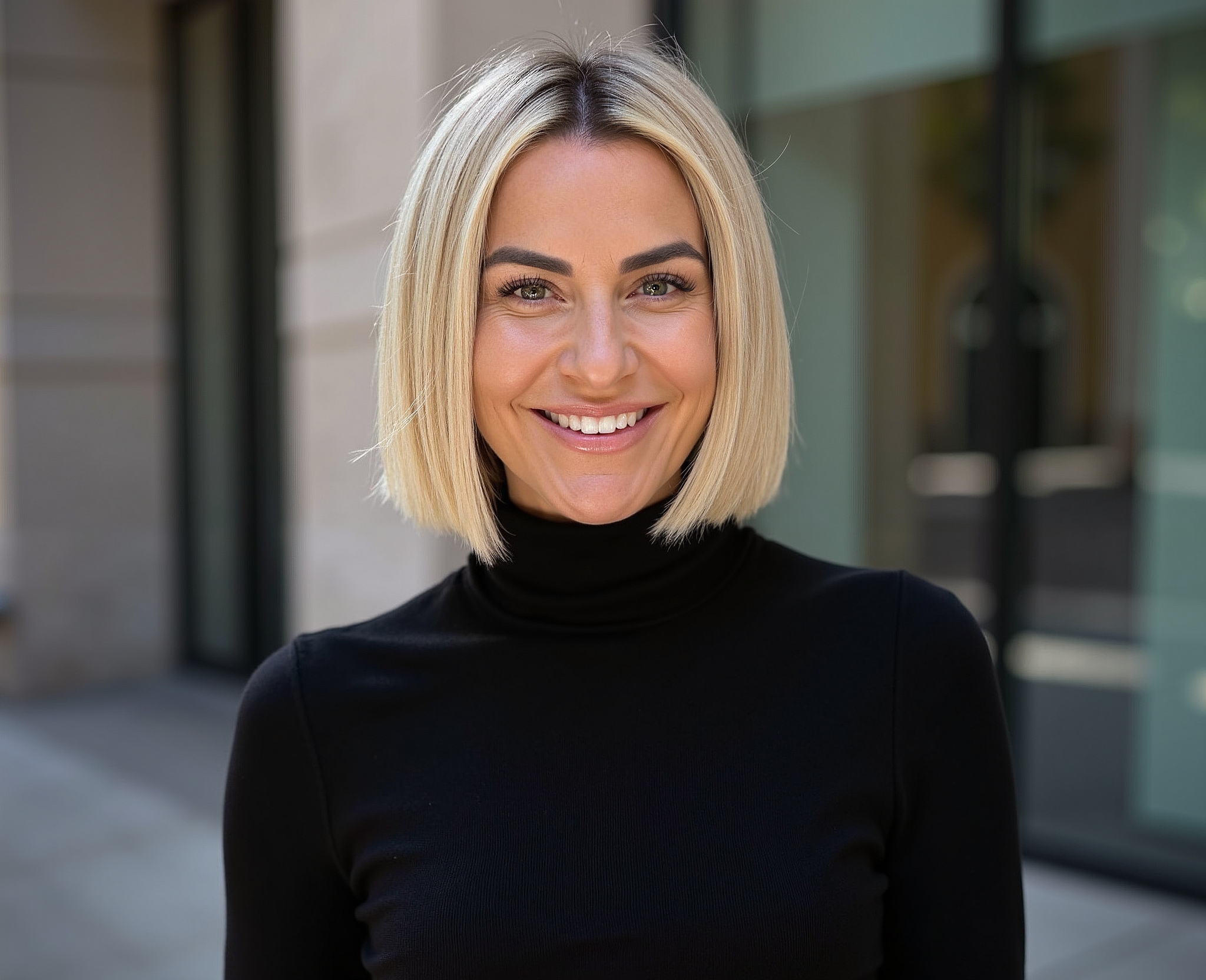
I never had a career plan. I had a job and then I had another one.
I started on the frontline, operating heavy machinery in mining. Twenty-plus years later I was still in safety - mining, construction, government — just on the other side of it. I'd gone from being the person doing the job to the person responsible for keeping everyone else alive while they did theirs.
I loved the industry. I loved the people. I learned a lot.
Then life did what life does.
Six years ago, someone I loved held me by my ankles over the edge of a 21st floor balcony. He told me if I made a sound, he'd let go. I didn't die that day. But the woman I was did.
Getting sober was the decision that changed everything after that. I left the relationship, sold what I had, and took my kids to Bali when I had almost nothing left, trying to buy myself enough time to build something. We lived in one room. I rebuilt from there.
A psychiatrist told me I'd never work again. At the time, I had no reason to believe they were wrong.
They were wrong.
I became a single mum, working out how to hold a life together for myself and my kids while still showing up and doing my job properly. Nobody hands you a manual for that. You just do it.
Somewhere in there, another pivot started brewing.
I'd spent years inside safety systems, and I was sick of what our industry had decided was "normal." Why was safety this complicated? Why were people on the frontline drowning in forms and software built by people who'd never actually done the job? Why, with all the technology sitting right there, were we still running on processes nobody had touched in decades?
I got tired of asking those questions from inside somebody else's organisation. I wanted to fix it instead.
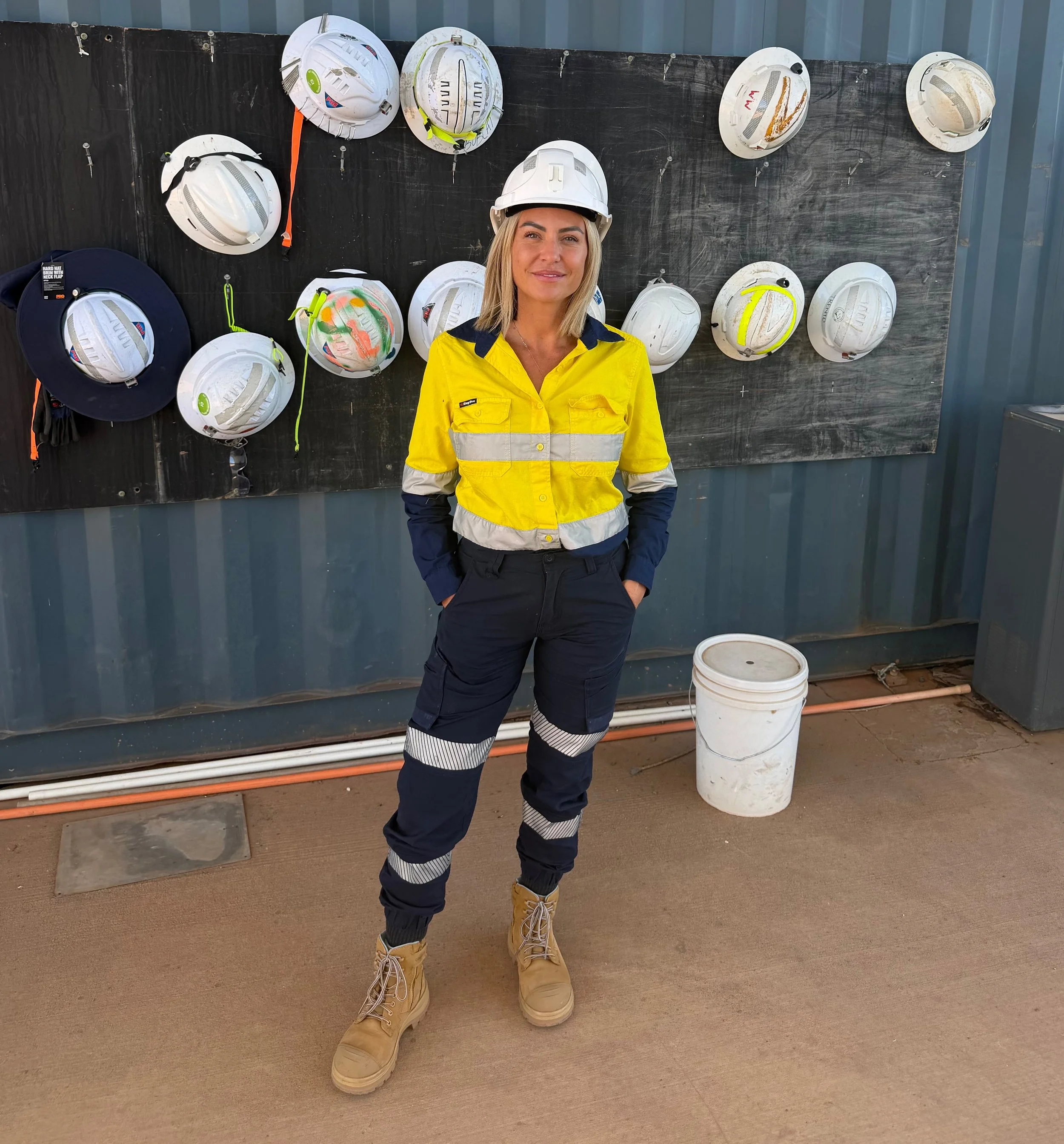
So I walked away and built SiteSherpa.
There was no cinematic moment. No confident resignation, no laptop-open-and-it's-decided scene. I knew safety. I knew the frontline. I knew exactly what was broken. I did not know how to build a software company.
So I learned. I asked questions, got a lot of it wrong, changed direction more times than I'd like to admit, and kept coming back to one rule: if tech is meant to make safety better, it has to make life easier for the person doing the job — not give them one more system to fight with. That rule became SiteSherpa.
Today I build technology that's changing workplace safety. I employ people. I laugh. A lot. I taught myself an entire industry from scratch, with no background in it, because I needed something that was mine.
Somewhere along the way, I stopped keeping the rest of my life separate from the work.
I started talking about mental health. About what people carry under the hi-vis that never makes it into a toolbox talk. About being a woman running a business in an industry that's still mostly men. About failure. About the stuff that doesn't fit in a tidy bio.
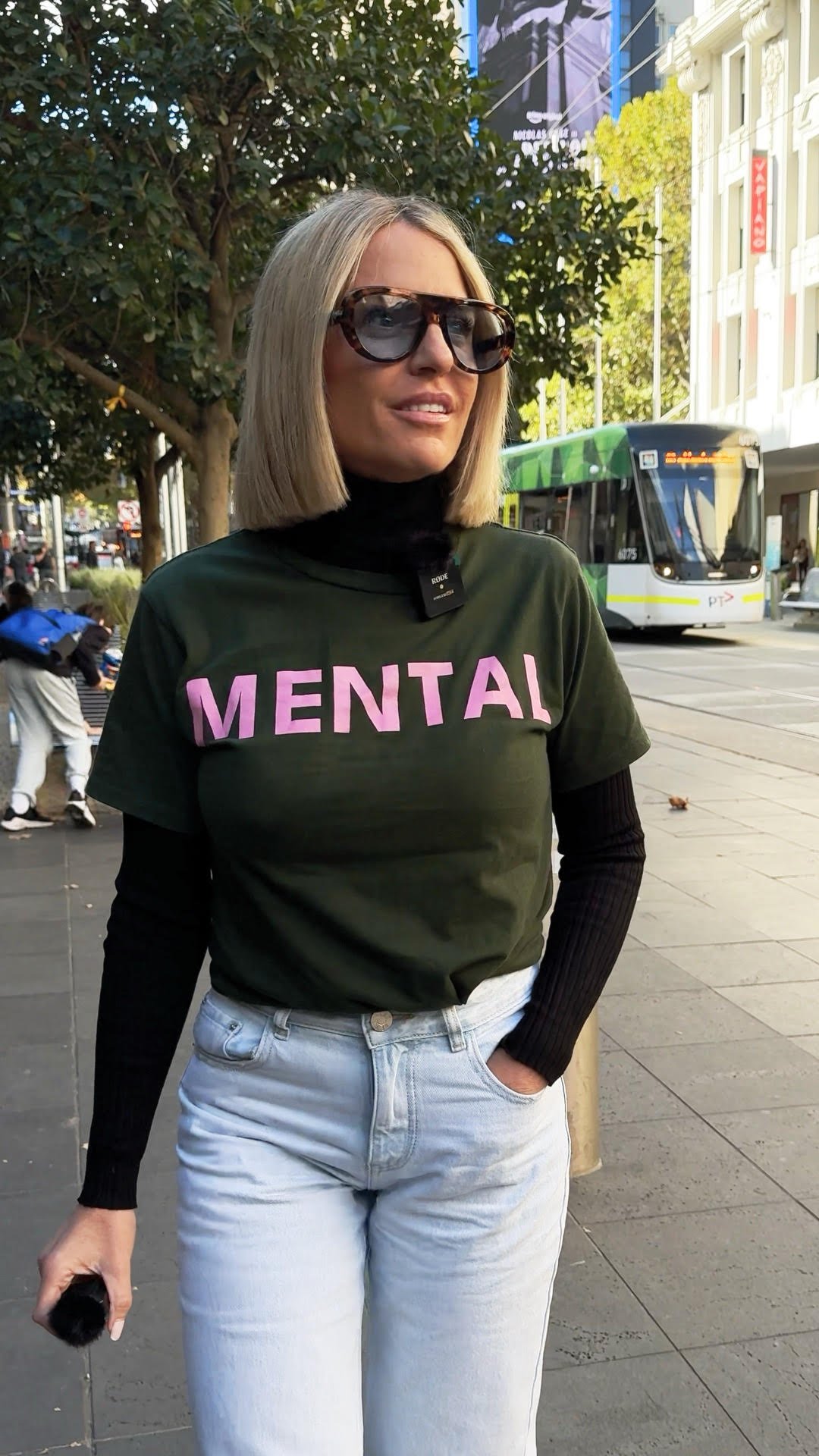
I've lost two brothers to suicide. I've used that, and my voice, to help build MENTAL Street Talk — a platform for the conversations people usually have too quietly, or not at all.
I used to think strength meant keeping all of that locked away from the professional version of me. I don't think that anymore. The hardest parts of my life are exactly what shaped how I lead, what I built, and what I want to talk about next.
My career didn't go the way I planned it. I wouldn't change that. Every pivot — including the ones I never asked for — put me exactly where I needed to be.
LESSONS LEARNED
1. You don't need to know everything before you start
I wasn't a tech founder. I was a safety person who understood the problem cold. That was enough to take the first step. You learn the rest on the way.
2. Listen to the people doing the job
The best answers aren't in a boardroom. They're with the people on the frontline living with the fallout of every decision made above them. Ask them. Actually listen to what they say back.
3. A pivot doesn't always look like an opportunity
Sometimes it looks like failure. Sometimes it's a decision you never wanted to make. Sometimes life just blows the plan up without asking. You don't get to pick the pivot. You get to pick what you build after it.
4. You don't have to be fearless. You just have to refuse to let fear decide for you
Strength isn't the absence of fear, grief or doubt. It's showing up anyway. Some days that's the whole win.
Thank you, Justine Youl, for sharing your story with us. It has genuinely inspired me to keep putting one foot in front of the other, even when times are tough and you can't see where you're headed.
We all have moments that change the direction of our lives. What if sharing your story could help someone else realise they’re not stuck where they are, and give them the hope or courage to take their next step?
If you have a story to share, I’d love to hear from you. Feel free to send me a message here on LinkedIn.
Are you Built to Pivot?
Natalie